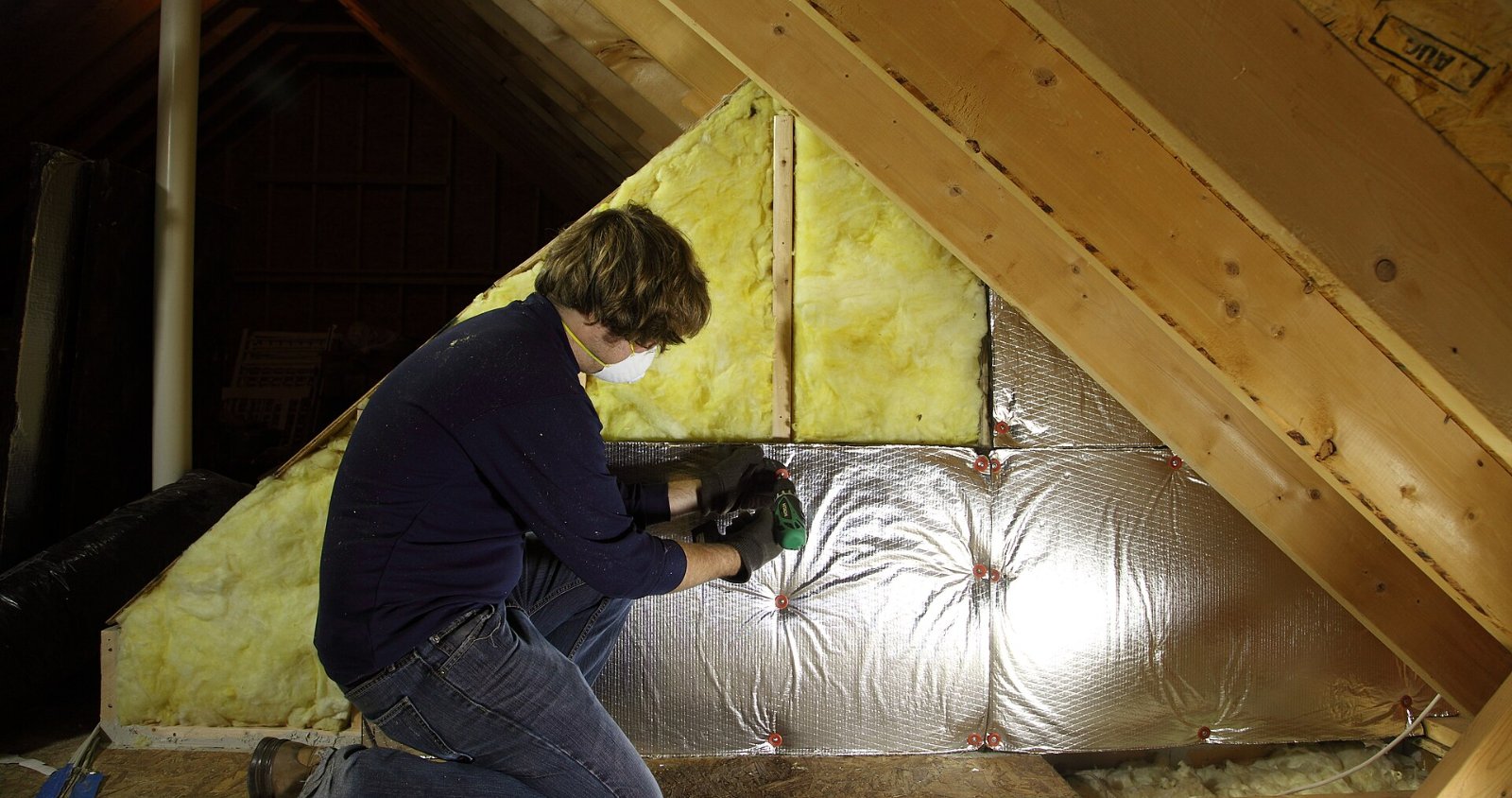
In Tallahassee, the attic is where a lot of your cooling money goes. On a summer afternoon, an attic can get much hotter than the outside air, and that heat pushes down into your living space and makes your AC run longer. In winter, the same weak spots let heat escape. Better attic insulation and ventilation is one of the most cost-effective upgrades for a North Florida home. This guide explains what to look for, how much insulation makes sense here, and how to hire the right contractor.
Why attics matter so much in North Florida
- Long cooling season: AC runs most of the year, so attic heat gain adds up.
- Ductwork in the attic: many Tallahassee homes have ducts in the attic, where hot air can heat the cool air before it reaches your rooms.
- Humidity: poor ventilation can trap moist air, which can lead to mold and wood damage on the roof decking.
How much insulation do you need?
Tallahassee is in climate zone 2 under the U.S. Department of Energy map. ENERGY STAR’s guidance for zone 2 recommends adding insulation to reach roughly R-30 to R-60 in an uninsulated attic, or adding about R-25 to R-38 on top of an existing 3 to 4 inches. As a rule of thumb, if you can see the tops of your ceiling joists, you probably need more.
Common insulation types
- Blown-in fiberglass or cellulose: the most common choice for open attic floors. It fills gaps well and is usually the most affordable way to add depth.
- Batts: pre-cut fiberglass or mineral wool. Works best in clean, open joist bays without many obstructions.
- Spray foam: sprayed on the underside of the roof deck to create a sealed, “conditioned” attic. It costs more, but it can help a lot when ducts and equipment are in the attic. It changes how the attic is ventilated, so it should be designed by an experienced installer.
Don’t skip air sealing
Insulation slows heat, but air leaks move it fast. Before adding insulation, a good contractor seals gaps around recessed lights, plumbing and wiring holes, the attic hatch and the top plates of walls. Sealing ducts and fixing disconnected duct runs can make an even bigger difference; ask your HVAC contractor to check them.
Ventilation basics
A vented attic needs air coming in low (usually soffit vents) and leaving high (ridge vents or roof vents). Insulation should not block soffit vents; baffles keep the airflow path open. Signs of poor ventilation include very hot upstairs rooms, rust on nails, dark stains on the roof decking, and moisture or mildew in the attic. If you are replacing your roof, it is a good time to fix ventilation; see our new roof cost guide.
Signs your attic needs work
- High summer power bills compared with similar homes
- Upstairs rooms that never cool down
- Insulation that is thin, matted, wet or missing in spots
- Evidence of pests, which can damage and contaminate insulation
- Moisture, mold or wood rot in the attic; see our guide to wood rot and termite damage
Rebates and savings
Utility programs sometimes offer rebates or audits for insulation and duct work. Check our guide to City of Tallahassee utility rebates before you start. Pairing insulation with an efficient HVAC system can multiply the savings; see our AC replacement guide.
How to hire an insulation contractor
- Ask for a written estimate that lists the material, the target R-value and the area covered.
- Confirm they will air seal before insulating and install baffles at the soffits.
- For spray foam, ask how they handle ventilation and whether the HVAC equipment needs changes.
- Check licensing and insurance; see how to verify a contractor license in Florida.
Many HVAC contractors and remodelers in our directory can assess your attic or recommend an insulation installer.
Frequently asked questions
Is spray foam worth it in Tallahassee?
It can be when ducts and HVAC equipment are in the attic, because it brings them inside the insulated space. For a simple open attic with ducts below, blown-in insulation plus air sealing is usually the better value.
Can I add new insulation over old insulation?
Usually yes, as long as the old insulation is dry, clean and free of pests or mold. Wet or contaminated insulation should be removed first.
Does attic insulation help in winter too?
Yes. The same insulation that keeps summer heat out keeps winter heat in.
Top image: Photo: The EnergySmart Academy / Wikimedia Commons (CC0)


